Trending


A slow weekend does not look impressive on paper. There is no sunrise hike followed by three museums, no reservations stacked back to back, no dash between train stations with a phone held out in front of you. Instead you might spend Saturday morning at a market, buy bread and peaches you have no sensible way of carrying home, sit on a bench for forty minutes, and walk back through the same square you crossed yesterday. That is the whole plan. It is also one of the better weekends you will have this year.
Slow travel is a way of using time in a place, not a category of destination. The phrase gets borrowed for remote villages and month-long rail journeys, but the useful definition is smaller: you cut the number of things you do per day, and you give each one more attention. Two nights in a town you actually look at can be slower than two weeks skimmed across a continent with a checklist in your hand.
In practice, that usually means one base instead of four hotels, one anchor activity per day, and deliberate empty space around it. It means accepting in advance that you will leave things unseen, and that this is not a failure but the point. The town's second-best church will still be there.
It also has nothing to do with roughing it. A comfortable bed, a good lunch and a train you booked in advance are all fine. Slow travel is a decision about pace, not a test of endurance, and it works just as well in a city neighbourhood on a quiet Sunday morning — shutters down, streets smelling of bread — as it does beside a lake.
Slowness is chosen at the booking stage, not on arrival. Once you are standing in a station with a bag, momentum takes over and you will do whatever the list says. So settle it at home, with three questions.
Travel time is the quiet thief here. Three hours each way eats a third of a two-day trip and leaves you recovering for the rest. The town forty minutes away that you have never bothered to visit is usually the better choice than the city four hours away you have been meaning to see for six years. Closer places are underrated because they are not flattering to mention at dinner. They are also the ones you will return to.
You do not need a minute-by-minute itinerary, but a loose shape keeps the empty hours from turning into indecision. This one is easy to adapt.
The second day is where most people ruin it by cramming in what they missed. Try the opposite. Go back to the square, the café, the stretch of river you liked yesterday, and see it in different light with different people in it. Repetition is what turns a place from a backdrop into a memory. Then leave with time to spare, before the trip turns into a sprint for a train.
Pace is a habit, and habits need a bit of structure on a short trip.
The first empty afternoon often feels like a mistake. You will suspect you are squandering a paid-for weekend, and you will want to fill it. Give it until the second meal before you decide. Almost everyone finds the same thing: the hours you did not schedule are the ones you remember, and the ones you crammed are the ones that blur.
And if you get to Sunday and still want one big thing — the castle, the hike, the long museum — do it. Slow travel is not a rule you can break. It is a default you choose, so the day you do something ambitious is a decision rather than an obligation.
Pick somewhere within ninety minutes of home that you have no strong reason to visit. Book one room for one night, in the middle of town if you can. Choose a single anchor activity and write it down. Leave everything else blank. Pack a book, shoes you can walk in for an hour without thinking about your feet, and a layer more than the forecast suggests. Tell someone where you are going. Then, on the day, resist the urge to add a second stop on the way home — that detour is usually how a good weekend turns back into a list. Do this once and you will have a template you can repeat for years.
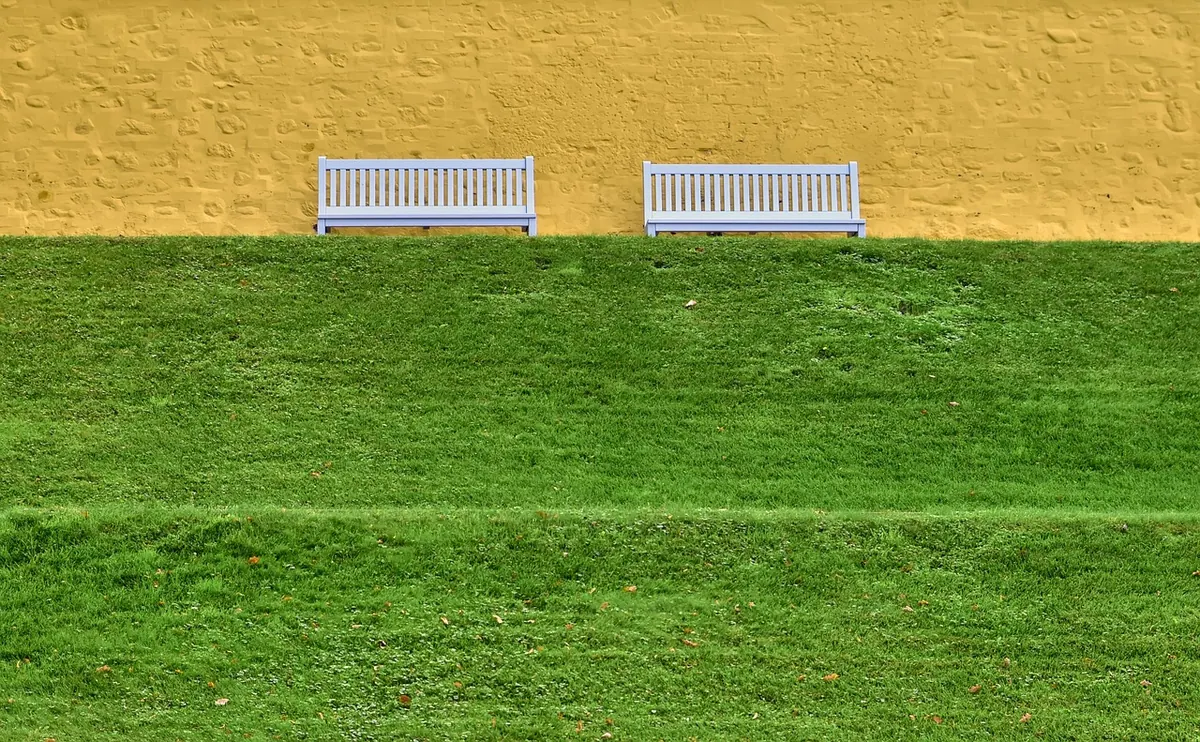
Photo: hasan538485 / Pixabay