Trending


You have started a journal before. Possibly more than once. There was a notebook with a decent cover, a plan to write a page every night, and then a Thursday when you were too tired and the whole thing quietly collapsed. The problem was almost never you. It was the size of the ask.
A one-sentence journal fixes the size. One sentence, once a day, dated if you can be bothered. That is the entire practice. It takes less time than brushing your teeth, it survives bad weeks, and after two months it turns into something you will actually want to read.
A page asks for a performance. It wants a beginning, a middle, an insight, a lesson. Most days do not contain an insight. They contain a phone call, a decent sandwich, and an hour of mild irritation about something small. When you sit down expecting meaning and produce a list of errands, you conclude you are bad at journaling and stop.
A sentence asks for far less: one true thing. Not the meaning of the day, just a detail from it. The argument in the car park. The fact that you cried at a trailer. The way the kitchen smelled like the inside of a matchbox at six in the evening.
Small entries accumulate. Thirty sentences about a month is a document. It shows what you actually did rather than what you intended to do, and because it never takes more than a minute, there is nothing to negotiate with yourself about.
Choosing what to write about is the only real difficulty, and it disappears once you decide in advance what kind of sentence you are writing. These four cover most days:
For example:
Twenty minutes on the balcony with cold coffee and no phone, and it was the best part of the day.
Told the truth at eleven at night: I was not annoyed about the dishes. It was never about the dishes.
Tomorrow: send the email I have been carrying around like a stone.
If choosing feels like effort, keep the same shape for a week. Consistency beats variety here. A week of "something I noticed" entries is a perfectly good journal, and it costs you no decisions at all.
Deciding to write "at some point" is deciding not to write. Choose a moment that already happens every day and bolt the sentence onto it: the kettle going on, the laptop closing, the teeth being brushed, the keys landing in the bowl by the door. The most reliable version for most people is the last thing before sleep, because nothing else is competing for that minute.
Then stop reopening the question of where it goes. If you write in your phone, keep the note pinned. If you write on paper, keep the pen with the paper. Every extra step between you and the sentence is a place where the habit can leak out, so remove as many as you can before you begin.
Some days you will have nothing. Write that. "Nothing today" is a complete entry, and so is "toast for dinner, early night." The sentence does not have to be interesting. It has to exist, and on difficult days existing is the whole achievement.
If the practice starts to feel like a duty, shrink it. Three words will do: Rain. Long day. If you dread it for weeks rather than the odd evening, change the shape instead of abandoning the habit. A plain log of what happened carries none of the pressure of a report card on how you are doing.
And if what you are writing leaves you feeling worse each time, tell a person, not a notebook. Keeping a record of a day is useful; it is not a substitute for support from someone who can actually respond, whether that is a friend, a therapist, or a doctor.
After a month, read the lot in one sitting. It reads like a low-resolution photograph of a season. You will notice which evenings you actually enjoyed, which worry ran for three weeks and then vanished without resolution, how often the same person's name appears. That is information you cannot get any other way, because memory tidies up as it goes.
Try not to turn it into an audit. The point is not to grade the month but to notice it. If you want a closing gesture, write one more sentence summarising the whole stretch, and then keep the pages somewhere you will find them again in a year.
Choose the tool now, not tomorrow: a note on your phone, a card by the bed, the back of a notebook you already own. Decide which of the four shapes you will use for the first week. Then, before you go to sleep, write one sentence about today and date it. That is day one, and it is finished.
Do not plan a month ahead or buy anything. Aim for seven days, then another seven. Some sentences will be dull. A few will surprise you when you read them back. That is the entire practice, and it is enough.
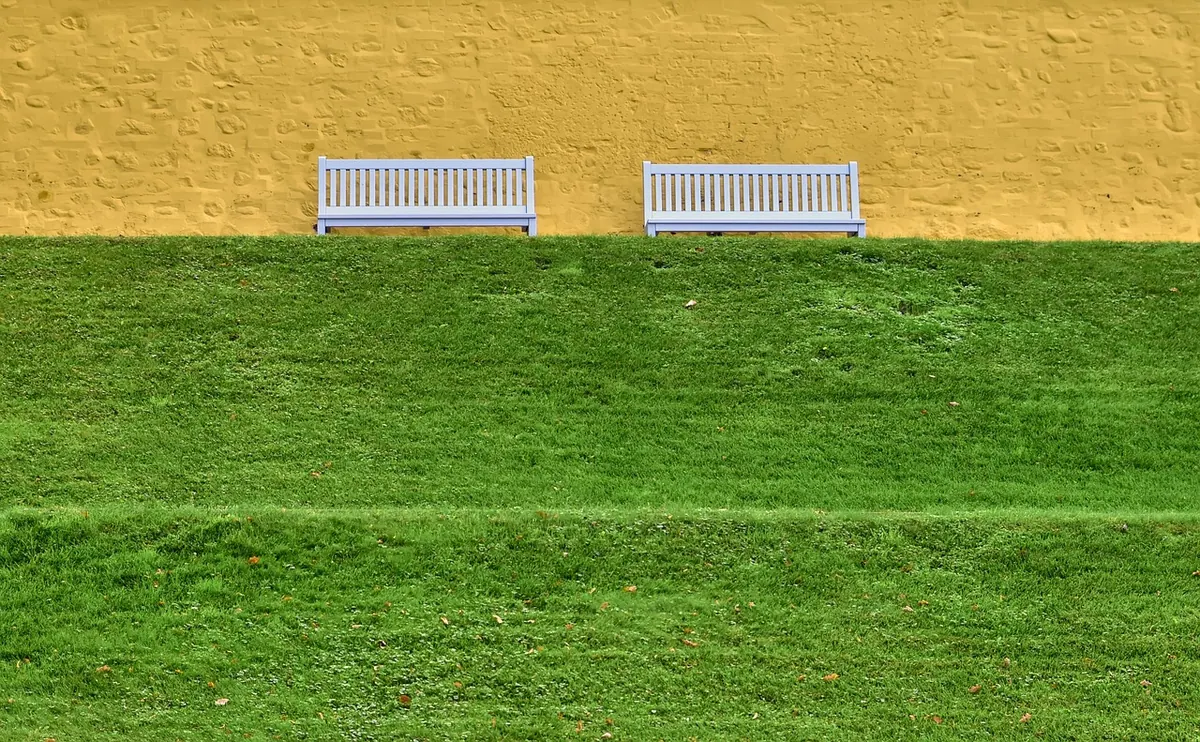
Photo: peterweideman / Pixabay