Trending

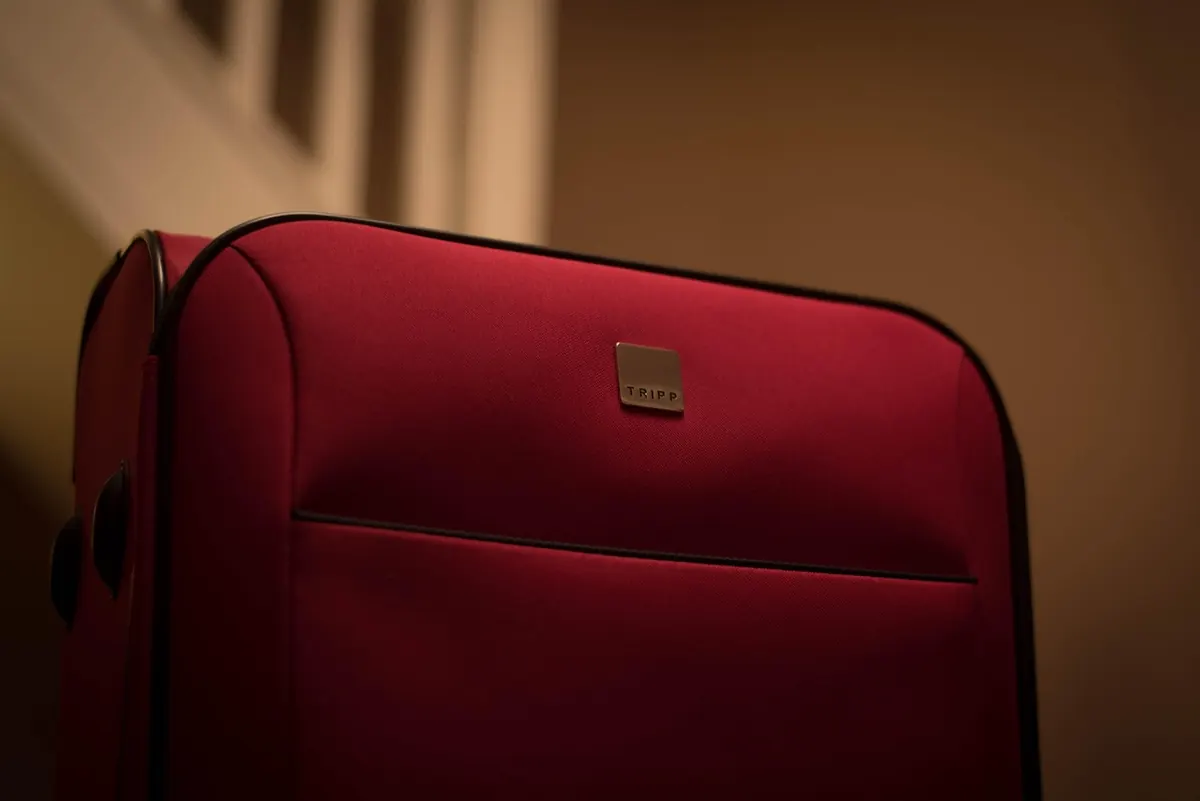
Two nights, three days, one bag you can lift into the overhead without asking for help. That is the whole brief. Most packing lists fail because they begin with a full wardrobe and try to shrink it; a carry-on weekend works the other way round. Decide what the trip actually needs, pick the smallest bag that holds it, then stop adding things. What follows suits a long weekend in a city, a few days at the coast, a wedding you are driving to, or a visit to family. Pack it once and every trip after that takes fifteen minutes.
A wheeled carry-on around the size most airlines allow as cabin baggage, or a 35-to-40-litre backpack if you will be on trains and stairs, covers almost every two- to three-day trip. Check your airline's published cabin limits before you buy anything — they differ, and a bag that fails the sizer at the gate is an expensive lesson.
Then add a personal item: a tote or a small backpack that slides under the seat. This is where documents, chargers, a thin layer and one change of clothes live, so a delay or a gate-checked bag never leaves you with nothing.
One test decides it. Pack the bag fully, then lift it one-handed above your head. If you wobble, it is too heavy for the trip you are taking, whatever the list says.
The trick is not fewer items; it is items that all work together. Pick one colour family — navy, grey, olive, black — and let everything match two or three other things in the bag. Stick to fabrics that dry overnight: merino, technical blends, light cotton. Heavy denim and thick knits eat space and stay damp on a bathroom rail.
Note what is missing: the "just in case" outfit. If an event needs a specific dress or jacket, wear it on the plane or leave it at home and rent nothing — but do not pack two versions of an evening you have not planned.
Most liquid rules at security allow only small containers in a single clear bag, so treat that as the container limit rather than a suggestion. Transfer shampoo, conditioner and moisturiser into 50ml bottles you refill at home; buy solid soap, shampoo bars and deodorant where you can. They weigh nothing, never leak, and last far longer than you expect.
Hotels supply the boring things — hairdryers, body lotion, sometimes toothpaste. Take only what you specifically need: your own razor, a small sunscreen, a lip balm, a foldable toothbrush, and a small tube of anything you use daily. If you take prescription medicine, keep it in its labelled packaging in the personal item, and check with your pharmacist or doctor about anything that needs special handling in heat or at borders.
The single best rule here is one charger, one cable. Modern phones and e-readers share a cable, and a small power bank covers a long travel day. Add a plug adapter if you are crossing a border, and nothing else with a battery.
Keep a small zip pouch holding the things that ruin a day when lost: passport or ID, booking confirmations, a card, a pen, a spare hair tie, painkillers, a couple of plasters. It lives in the personal item and never moves.
Packing cubes help if you like compartments; they are not essential. A single large cube for clothes and one small pouch for cables is enough, and it keeps a small bag from turning into a lucky dip.
Extra shoes are the biggest culprit, followed by a laptop you will not open and a second jumper in case the first gets wet. Jeans take a day and a half to dry. A hair dryer is a hotel item. A "backup bag" is a second bag. Anything full-size stays home.
A useful habit: as you pack, hold each item for two seconds and ask whether the trip fails without it. If the answer is a vague maybe, it stays. You can buy almost anything you forget at a pharmacy or a corner shop, usually for less than the cost of checking a bag.
Ten minutes, the evening before you leave. Lay out what you plan to wear on travel day so nothing is hunted for at six in the morning. Re-check your airline's cabin size and weight limits. Confirm that chargers, documents and medication are in the personal item, not the overhead. Look at the forecast once and adjust only the outer layer.
Then close the bag and stop. The point of a carry-on weekend is not austerity — it is arriving with one hand free, walking straight past the baggage carousel, and knowing exactly what is in your bag because you chose every item in it. Fold a tote into the side pocket for dirty clothes, and the same bag will serve you again next month.
Photo: tookapic / Pixabay